
As I stood in front of my oven, the sweet aroma of honey mingled with the savory notes of garlic, promising a culinary delight that felt both comforting and special. Today, I’m thrilled to share my Honey Baked Salmon recipe—a dish that’s not only quick to prepare but also a stunning centerpiece for any dinner table. With just a handful of ingredients and about 35 minutes from start to finish, you can transform simple salmon fillets into a restaurant-quality meal right in your own kitchen. Not to mention, this recipe is perfect for those evenings when you crave something delicious yet healthy. Are you ready to impress your family or enjoy a well-deserved treat? Let’s dive into this sweet and tangy flavor adventure!
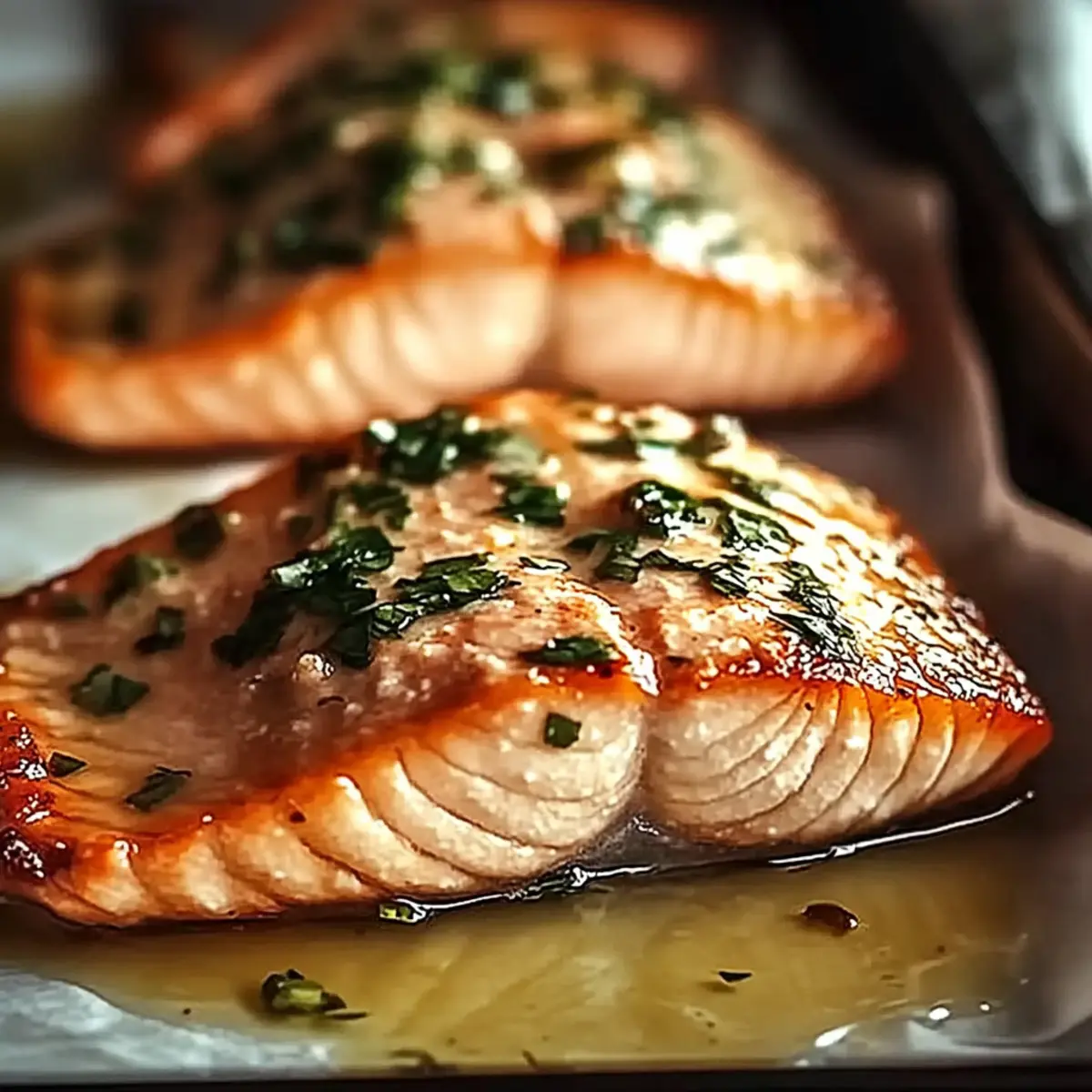
Why is Honey Baked Salmon a Must-Try?
Deliciously Effortless: This recipe is as simple as it gets, allowing you to whip up an impressive dish without breaking a sweat.
Sweet & Savory Balance: The delightful harmony of honey and savory garlic creates a flavor explosion that your taste buds will thank you for!
Healthy Indulgence: Packed with protein and healthy fats, this dish provides guilt-free satisfaction without sacrificing taste.
Quick Cooking Time: In just 35 minutes, you can serve a restaurant-worthy meal that’s perfect for any night of the week.
Crowd Pleaser: Whether it's a family dinner or a gathering with friends, this Honey Baked Salmon is sure to wow your guests, making it a perfect match for sides like roasted vegetables or a light salad.
Get ready to make this dish a regular in your home cooking repertoire!
Honey Baked Salmon Ingredients
For the Salmon
• Salmon fillets – 4 (6-ounce each) – Opt for fresh wild-caught salmon for the best flavor and texture.
For the Glaze
• Honey – ¼ cup – This brings a natural sweetness that perfectly balances the savory notes.
• Soy sauce – 2 tablespoons – Adds a delicious umami depth; consider low-sodium if you’re watching your salt intake.
• Dijon mustard – 1 tablespoon – Gives a tangy kick that enhances the overall flavor.
• Garlic – 2 cloves, minced – Fresh garlic infuses the dish with aromatic goodness.
• Ground black pepper – 1 teaspoon – Adds a gentle warmth; feel free to adjust according to your spice preference.
Turn your kitchen into a haven of mouthwatering scents with this easy-to-make Honey Baked Salmon that promises to be a family favorite!
Step‑by‑Step Instructions for Honey Baked Salmon
Step 1: Preheat the Oven
Preheat your oven to 375°F (190°C). This essential step ensures that your Honey Baked Salmon cooks evenly and thoroughly. As the oven warms up, gather your ingredients and prepare your baking dish. A glass or ceramic dish works beautifully for this recipe, enhancing the flavors of the glaze as the salmon bakes.
Step 2: Make the Glaze
In a mixing bowl, whisk together ¼ cup of honey, 2 tablespoons of soy sauce, 1 tablespoon of Dijon mustard, 2 cloves of minced garlic, and 1 teaspoon of ground black pepper. This sweet and savory glaze will envelop each salmon fillet, creating a mouthwatering flavor profile. Ensure all ingredients are well combined for a uniform coating, and set it aside.
Step 3: Prepare the Salmon
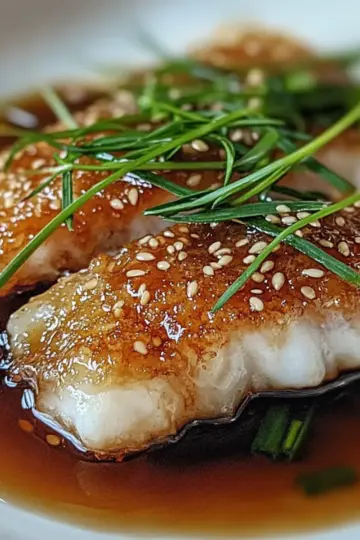
Carefully place your four 6-ounce salmon fillets in the prepared baking dish, skin-side down. Take a moment to admire the vibrant color of the fish. Then, pour the glaze generously over each fillet, using a brush or spoon to ensure they are fully coated. This step is crucial for that unforgettable taste of Honey Baked Salmon.
Step 4: Bake the Salmon
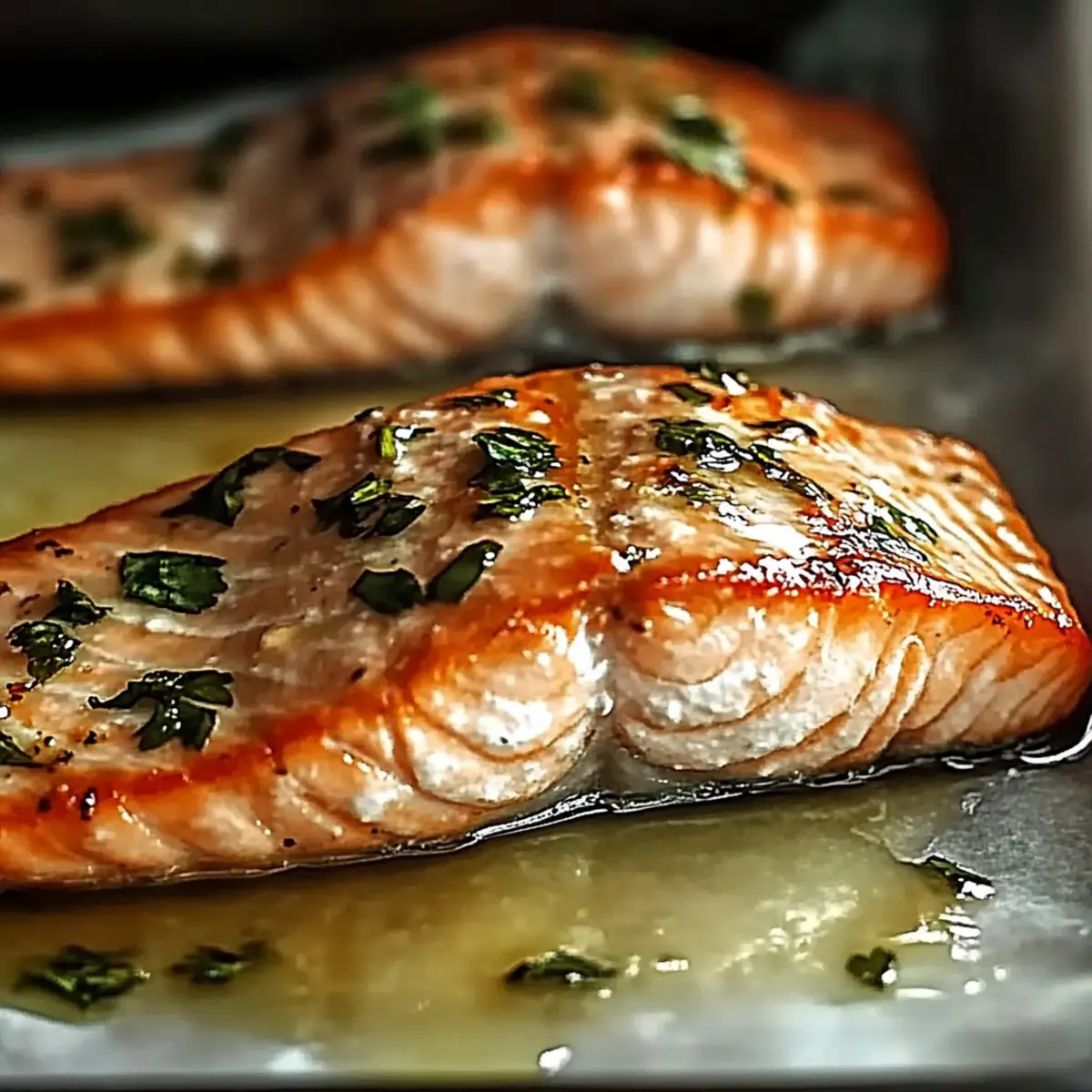
Transfer the baking dish to the preheated oven and bake for 15-20 minutes. The salmon is done when it flakes easily with a fork and has a beautiful golden glaze on top. You may notice a sweet aroma wafting through your kitchen—a true sign that your dish is coming together beautifully!
Step 5: Let it Rest
Once baked to perfection, remove the Honey Baked Salmon from the oven. Allow it to rest for a few minutes, which helps the flavors meld beautifully while keeping the salmon moist. This brief pause not only enhances taste but makes serving a breeze, leaving you ready to present a delightful dinner to your family or guests.
Honey Baked Salmon Variations
Feel free to get creative with this recipe and uncover delightful twists to match your taste buds!
-
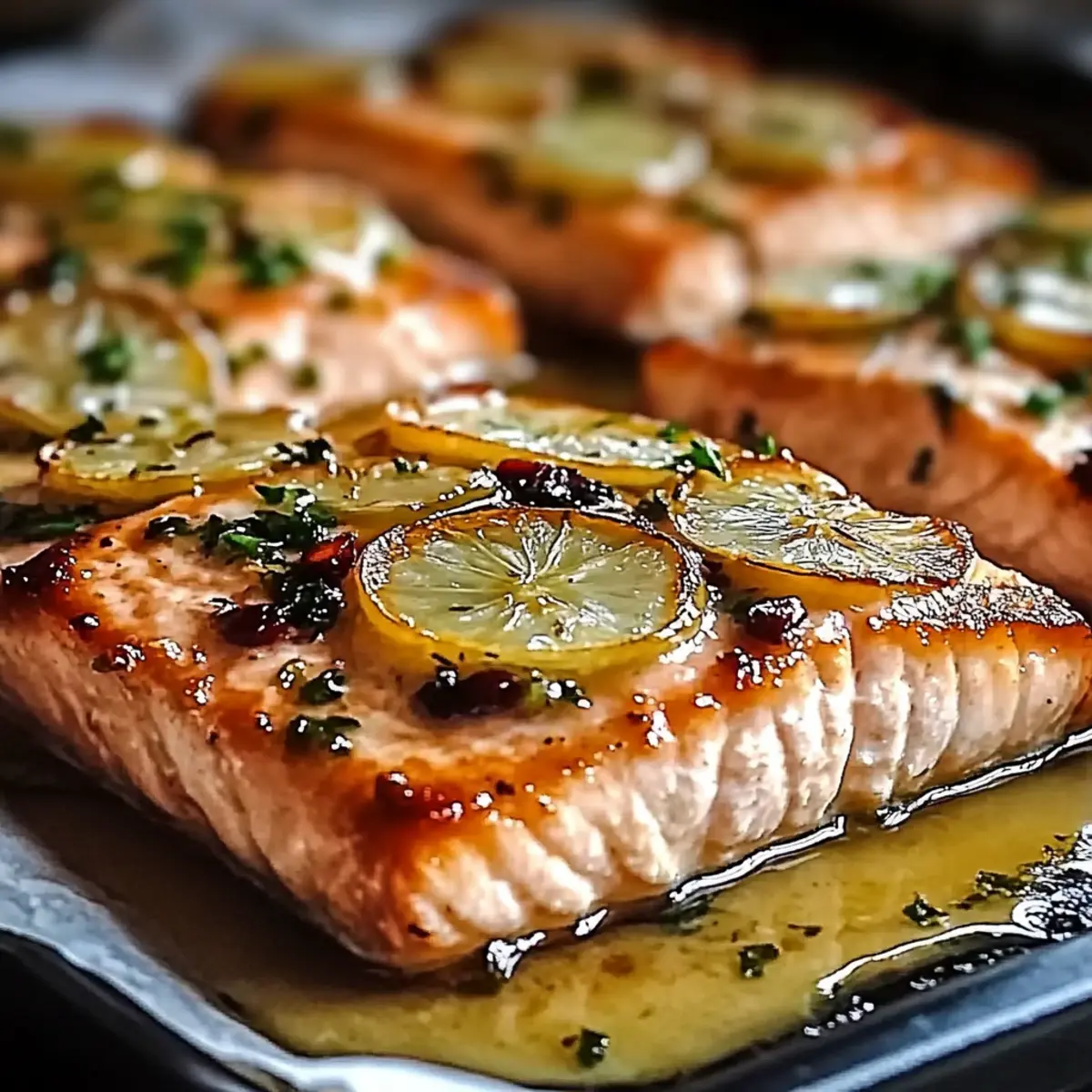
Lemon Zest: Add a teaspoon of fresh lemon zest to the glaze for a refreshing citrus note that brightens the dish. A hint of acidity works wonders with the sweetness!
-
Herb Infusion: Incorporate chopped fresh herbs like dill or parsley in the glaze for added freshness and depth. These herbs blend beautifully with the flavors, offering a garden twist to your meal.
-
Spicy Kick: Stir in a pinch of red pepper flakes or a splash of Sriracha for a heat element that contrasts with the sweetness of the honey. This fiery addition will elevate your Honey Baked Salmon to bold new heights.
-
Maple Glaze: Substitute honey with pure maple syrup for a rich, earthy sweetness that pairs perfectly with salmon. This swap adds a whole new dimension of flavor while keeping it wonderfully sweet.
-
Citrus Soy: Replace soy sauce with tamari for a gluten-free version or experiment with coconut aminos for a slightly sweeter, less salty taste. Your salmon will still have that umami boost with a twist!
-
Can’t Resist Bacon: Top your salmon with crispy crumbled bacon before serving for that smoky richness. Just imagine the satisfying crunch against the tender fish—it’s a match made in culinary heaven!
-
Veggie Addition: Roast sliced bell peppers or asparagus alongside the salmon for a one-pan meal brimming with color and flavor. These veggies soak up the delicious glaze and round out your dinner beautifully.
-
Nutty Crust: For a crunchy texture, sprinkle crushed almonds or pecans over the salmon before baking. This nutty layer adds delightful contrast while giving your dish an appealing presentation.
Let your imagination run wild with these variations, and serve up a family favorite that keeps everyone coming back for more!
What to Serve with Honey Baked Salmon
Elevate your dining experience with these delightful side dishes that complement the savory sweetness of your Honey Baked Salmon.
-
Creamy Garlic Mashed Potatoes: Their velvety texture and rich flavor enhance the salmon, creating a comforting combination that feels like a warm hug.
-
Lemon Garlic Asparagus: This vibrant, crunchy side adds a refreshing contrast, balancing the rich glaze with its bright citrus notes.
-
Quinoa Salad with Feta: Nutty quinoa tossed with tangy feta and fresh veggies provides a delightful crunch that pairs beautifully with the tender salmon.
-
Herbed Couscous: Fluffy couscous with herbs offers a light and airy side, allowing the flavors of the salmon to shine while adding subtle fragrance.
-
Roasted Brussels Sprouts: Crispy, caramelized sprouts deliver a briny bite that enhances the dish, and their slight bitterness contrasts nicely with the honey.
-
Sweet Potato Wedges: These roasted, slightly sweet wedges bring an extra layer of heartiness, making every bite a comforting blend of flavors.
-
Chilled White Wine Spritzer: A crisp, refreshing spritzer balances the meal beautifully, cutting through the richness while enhancing the overall dining experience.
Enjoy exploring these pairings, and let your Honey Baked Salmon shine at the center of a truly memorable meal!
Make Ahead Options
These Honey Baked Salmon fillets are perfect for meal prep enthusiasts! You can prepare the glaze up to 24 hours in advance, allowing the flavors to meld beautifully together. Simply combine the honey, soy sauce, Dijon mustard, minced garlic, and black pepper, then store it in an airtight container in the refrigerator. The salmon fillets can be seasoned and coated with the glaze a few hours before baking; just cover them and refrigerate until you're ready to cook. When you're set to serve, bake the salmon directly, enjoying its fresh, just-as-delicious flavor. This way, you’ll have time-saving homemade meals ready for busy weeknights or special occasions!
Expert Tips for Honey Baked Salmon
-
Choose Quality Salmon: Fresh, wild-caught salmon elevates the dish's flavor. Avoid frozen fillets if possible to achieve the best taste and texture.
-
Perfectly Glazed: Make sure to fully coat the salmon with the glaze. This ensures that each bite bursts with the delicious sweet and savory flavors of your Honey Baked Salmon.
-
Don’t Overcook: Keep a close eye while baking; salmon should flake easily yet remain moist. Overcooking can lead to dryness, which detracts from the dish's appeal.
-
Let It Rest: Allowing the salmon to rest after baking enhances flavor and moisture retention. This small step makes a big difference in your final presentation.
-
Adjust Seasoning: Feel free to modify the garlic and black pepper to suit your taste. Each palate is unique—embrace what you love in your Honey Baked Salmon!
How to Store and Freeze Honey Baked Salmon
Fridge: Store leftover Honey Baked Salmon in an airtight container for up to 3 days. Ensure it's completely cooled before sealing to maintain freshness.
Freezer: For longer storage, freeze the salmon in an airtight container or heavy-duty freezer bag for up to 3 months. Label the container with the date for easy tracking.
Reheating: When ready to enjoy, thaw in the fridge overnight. Reheat gently in the oven at 300°F (150°C) for about 10-15 minutes until warmed through, preserving its moisture and flavor.
Honey Baked Salmon Recipe FAQs
What type of salmon is best for Honey Baked Salmon?
Absolutely! I recommend using fresh wild-caught salmon for the best flavor and texture. Look for fillets that are bright in color with no dark spots, indicating freshness. Farmed salmon can also work if wild-caught is unavailable, but the taste and texture may differ slightly.
How should I store leftover Honey Baked Salmon?
Very simply! Store leftover Honey Baked Salmon in an airtight container in the refrigerator for up to 3 days. Ensure the salmon has cooled completely before sealing. This helps maintain its delicious flavor and moisture!
Can I freeze Honey Baked Salmon?
Absolutely! To freeze your honey baked salmon, place it in an airtight container or a heavy-duty freezer bag. Be sure to properly label with the date. It will keep well in the freezer for up to 3 months. When you're ready to eat, thaw it in the fridge overnight before reheating.
How do I reheat leftover Honey Baked Salmon?
For a delightful experience, gently reheat the salmon in the oven at 300°F (150°C) for about 10-15 minutes. This method helps to maintain its moisture and prevents it from drying out. Cover the salmon with foil to keep it warm and juicy while reheating.
What should I do if my salmon is overcooked?
If you find you’ve accidentally overcooked your honey baked salmon, don’t worry! You can try shredding the salmon and mixing it into a salad or pasta dish with a sauce to add moisture. Serving it with a side of broth or topping it with a fresh lemon or herbed sauce can also help. Remember, it’s all about creativity in the kitchen!
Is Honey Baked Salmon safe for pets or those with allergies?
Definitely! While honey baked salmon can be a treat for dogs, be cautious not to include ingredients like garlic in their portion. For individuals with fish allergies, of course, it should be avoided entirely. Always consult with a healthcare provider regarding allergies before incorporating any new foods into your diet.

Sweet & Savory Honey Baked Salmon You'll Crave Again!
Equipment
- mixing bowl
- baking dish
- Oven
Ingredients
For the Salmon
- 4 fillets Salmon 6-ounce each, opt for fresh wild-caught
For the Glaze
- ¼ cup Honey Natural sweetness
- 2 tablespoons Soy sauce Low-sodium recommended
- 1 tablespoon Dijon mustard Adds a tangy kick
- 2 cloves Garlic Fresh, minced
- 1 teaspoon Ground black pepper Adjust according to taste
Instructions
Step-by-Step Instructions
- Preheat your oven to 375°F (190°C).
- In a mixing bowl, whisk together honey, soy sauce, Dijon mustard, minced garlic, and ground black pepper.
- Place salmon fillets in a baking dish skin-side down. Pour the glaze generously over each fillet.
- Bake in the preheated oven for 15-20 minutes until it flakes easily.
- Remove from oven and let it rest for a few minutes before serving.


Leave a Reply