
The smell of freshly baked bread wafting through the kitchen can transport anyone back to their childhood, evoking memories of comforting family gatherings and the warmth of home. Today, I’m excited to share my tried-and-true recipe for White Bread—a staple that’s not only simple to make, but also serves as a fantastic canvas for your favorite spreads and toppings. With only a few ingredients, this recipe offers the perfect blend of convenience and homemade delight, making it an ideal choice for anyone looking to elevate their meal prep without the usual fuss. Plus, there’s nothing quite like the joy of cutting into a warm loaf and savoring that first bite of soft, fluffy goodness. Are you ready to knead your way to bliss? Let's dive in!
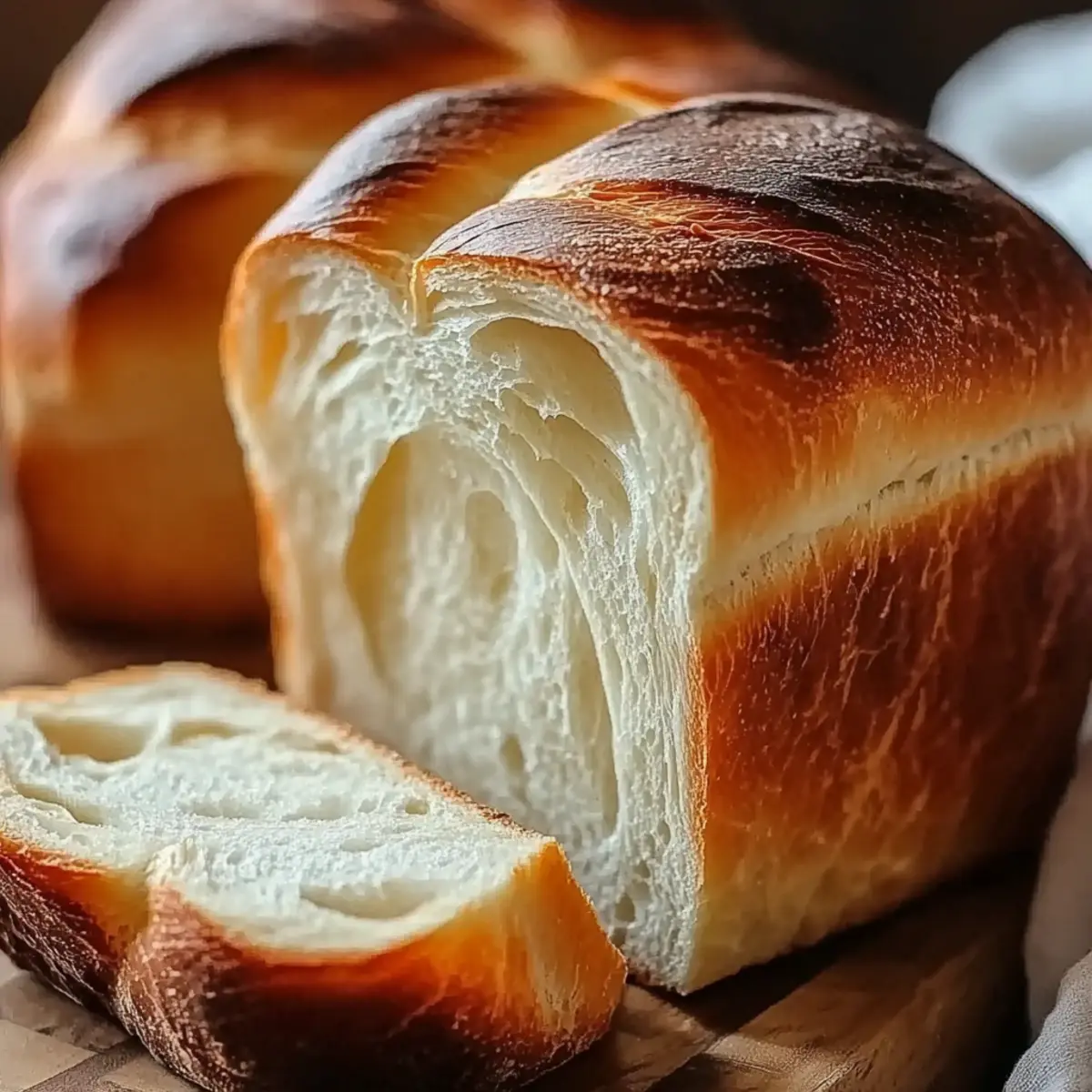
Why is homemade white bread amazing?
Homemade white bread is unbeatable in both flavor and freshness. Simplicity shines through as you only need a handful of ingredients to create a masterpiece. Comforting aroma fills your home as it bakes, ensuring everyone will gather in the kitchen. Versatile uses mean it’s perfect for sandwiches, toast, or simply enjoyed with butter. Best of all, satisfaction guaranteed—nothing compares to that first warm slice. For more delicious ideas, check out our tips on making an easy Baguette or exploring different bread types.
White Bread Ingredients
• Discover how easy it is to create your own delicious white bread at home!
For the Dough
- All-purpose flour – A versatile base that gives your bread a light texture.
- Sugar – Adds a hint of sweetness and helps activate the yeast.
- Salt – Enhances flavor and controls yeast activity for perfect rising.
- Active dry yeast – This magical ingredient helps your bread rise and become fluffy.
- Warm water – Activates the yeast for that perfect bread rise; ensure it's not too hot or cold!
- Unsalted butter – Adds richness and a soft crumb to your delightful white bread.
Step‑by‑Step Instructions for White Bread
Step 1: Combine Dry Ingredients
In a large mixing bowl, combine 4 cups of all-purpose flour, 2 tablespoons of sugar, 1 tablespoon of salt, and 2 ¼ teaspoons of active dry yeast. Stir these dry ingredients together with a whisk until evenly blended, ensuring the yeast is well-distributed for optimal rising. This base will be the foundation of your heavenly white bread.
Step 2: Form the Dough
Gradually add 1 ½ cups of warm water to the dry mixture while stirring with a wooden spoon or your hands until a shaggy dough forms. Ensure the water is warm—around 110°F (43°C)—to activate the yeast without killing it. Once the dough begins to come together, it's time to move to the next step.
Step 3: Knead the Dough
Melt 2 tablespoons of unsalted butter and pour it over the shaggy dough. Transfer the mixture onto a floured surface and knead for about 10 minutes until the dough is smooth and elastic. You'll know it's ready when you can poke it gently and it springs back. This step is crucial for developing the gluten in your white bread.
Step 4: First Rise
Place the kneaded dough in a greased bowl, turning it once to coat all sides. Cover the bowl with a damp cloth and let it rise in a warm place for about 1 hour or until it has doubled in size. This rising time allows the yeast to expand and create that fluffy texture we love in white bread.
Step 5: Shape the Dough
After the dough has risen, gently punch it down to release any air bubbles. Shape it into a loaf by pressing it into a rectangle and rolling it tightly. Place the shaped loaf into a greased loaf pan, smoothing the top with your hands. This step is essential for giving your white bread its final form.
Step 6: Second Rise
Cover the loaf pan with a clean cloth and let it rise again for about 30-40 minutes, until it has doubled in size. This second rise enhances the texture and adds additional airiness to your white bread, promising delightful results in the oven.
Step 7: Preheat the Oven
While the dough is rising, preheat your oven to 375°F (190°C). This step ensures the temperature is just right for baking your heavenly white bread to perfection. The warm environment helps foster the perfect crust while keeping the interior soft and fluffy.
Step 8: Bake the Bread
Once the dough has risen, place it in the preheated oven and bake for 25-30 minutes. Your white bread is done when it turns golden brown and sounds hollow when tapped on the bottom. The enticing aroma wafting through your kitchen will let you know that deliciousness is close at hand.
Step 9: Cool and Slice
Remove the loaf from the oven and let it cool in the pan for about 10 minutes. Then, transfer it to a wire rack to cool completely before slicing. Patience is key here, as the warm steam continues to enhance the texture of your homemade white bread.

White Bread Variations & Substitutions
Feel free to let your creativity shine as you customize this classic white bread recipe with these delightful twists!
-
Whole Wheat: Substitute half or all of the all-purpose flour with whole wheat flour for a heartier texture and added nutrients. This swap not only enhances the flavor but also promotes a denser, nutritious loaf perfect for sandwiches.
-
Honey Sweetener: Replace sugar with honey for a natural sweetness. It adds a unique depth of flavor and moisture, making your bread slightly gooier and absolutely delightful as toast.
-
Olive Oil: Use olive oil instead of unsalted butter for a Mediterranean touch. This swap lends a unique flavor and healthy fat content, offering an aromatic and flavorful loaf that pairs wonderfully with cheese.
-
Herbed Infusion: Mix in dried herbs like rosemary or thyme to the dough for a fragrant twist. This delicious touch transforms your white bread into a savory accompaniment perfect for soups and stews.
-
Cheesy Goodness: Fold in shredded cheese, like cheddar or mozzarella, into the dough during the kneading stage. You’ll be rewarded with a cheesy, flavorful delight that complements breakfast or any meal beautifully.
-
Spicy Kick: Add a pinch of cayenne or red pepper flakes into the dry ingredients for a warm spice addition. This variation will spice up your sandwiches and toast, giving you that delightful kick you may crave.
-
Nutty Texture: Incorporate nuts or seeds, such as sunflower seeds or chopped walnuts, to enhance texture and flavor. This delightful variation adds a satisfying crunch and a wholesome feel to your homemade bread.
-
Vegan Alternative: For a vegan version, use a plant-based butter substitute and maple syrup instead of sugar. Your bread will maintain its delightful texture while being friendly for plant-based diets.
These variations invite you on a flavorful journey—feel free to mix, match, and create your own signature loaf! If you’re also interested in exploring different bread types, our article on exploring different bread types is a must-read!
Expert Tips for White Bread
-
Perfect Water Temperature: Use water around 110°F (43°C) to activate yeast without harming it; too hot can kill the yeast, and too cold won’t activate it.
-
Knead Well: Knead the dough for about 10 minutes until it's smooth and elastic. This develops gluten, essential for airy white bread.
-
Rising Time: Don’t rush the rising process. Allow the dough to double in size during both rises; this ensures soft, fluffy bread.
-
Hollow Sound Test: When baking, tap the bottom of the loaf. If it sounds hollow, your white bread is perfectly done—trust your ears!
-
Cooling Patience: Allow the bread to cool completely on a wire rack before slicing. This final step ensures the texture isn’t gummy when you cut it.
How to Store and Freeze White Bread
Room Temperature: Store your homemade white bread in a breadbox or airtight container for up to 3 days. This will keep it soft and fresh, maintaining its delightful texture.
Fridge: If you need to extend its life a bit longer, you can refrigerate the bread for up to a week. However, note that refrigeration may slightly dry it out, so be sure to toast slices when serving!
Freezer: For long-term storage, slice the bread and wrap each slice in plastic wrap, then place them in a freezer bag. It can stay frozen for up to 3 months, ready for a quick toast or sandwich.
Reheating: To enjoy frozen slices, simply pop them in the toaster or microwave for a few seconds until warmed through. Your journey with homemade white bread doesn’t end after baking; it’s perfect for sharing and savoring later!
Make Ahead Options
These homemade White Bread loaves are perfect for busy home cooks looking to save time without sacrificing quality! You can prepare the dough up to 24 hours in advance; simply knead and let it rise until doubled in size before shaping. After shaping the loaf, cover it tightly with plastic wrap and refrigerate it overnight. When you’re ready to bake, let it rest at room temperature for about 30 minutes to ensure a nice rise before preheating your oven. This make-ahead technique helps maintain freshness and flavor, allowing your family to enjoy warm, fluffy bread with minimal effort. Enjoy all the comforting goodness of homemade White Bread anytime!
What to Serve with White Bread
Imagine the delightful aroma of freshly baked white bread mingling with your favorite sides, creating a warm and inviting atmosphere that beckons everyone to the table.
-
Creamy Butter and Jam: Lush butter spread over warm slices, paired with fruit preserves, enhances the bread's flavor, adding a sweet finish to breakfast or tea time.
-
Hearty Soup: A bowl of tomato or vegetable soup complements white bread beautifully, allowing you to soak up every last drop of savory goodness.
-
Simple Salad: A crisp garden salad with fresh greens and a zesty vinaigrette cuts through the bread's richness, creating a light and refreshing contrast.
-
Savory Cheese Platter: Pairing white bread with a selection of cheeses offers a delightful experience—think sharp cheddar, creamy brie, or tangy goat cheese, each bite enhanced by the bread's fluffy texture.
-
Grilled Meats: Serve alongside grilled chicken or steak; the warm, soft bread is perfect for mopping up savory juices and creating delicious bites.
-
Homemade Garlic Bread: Transform your white bread into a garlic delight! Just spread with garlic butter, toast it, and serve with pasta for a flavor explosion.
-
Warm Milk or Hot Chocolate: A comforting drink pairs perfectly with fresh bread, giving you a cozy indulgence that feels like a warm hug on a chilly day.
-
Chocolate Chip Cookies: For dessert, nothing beats the classic pairing of soft, warm cookies. Dip pieces of white bread into warm milk or scoop up your favorite ice cream for a sweet treat.
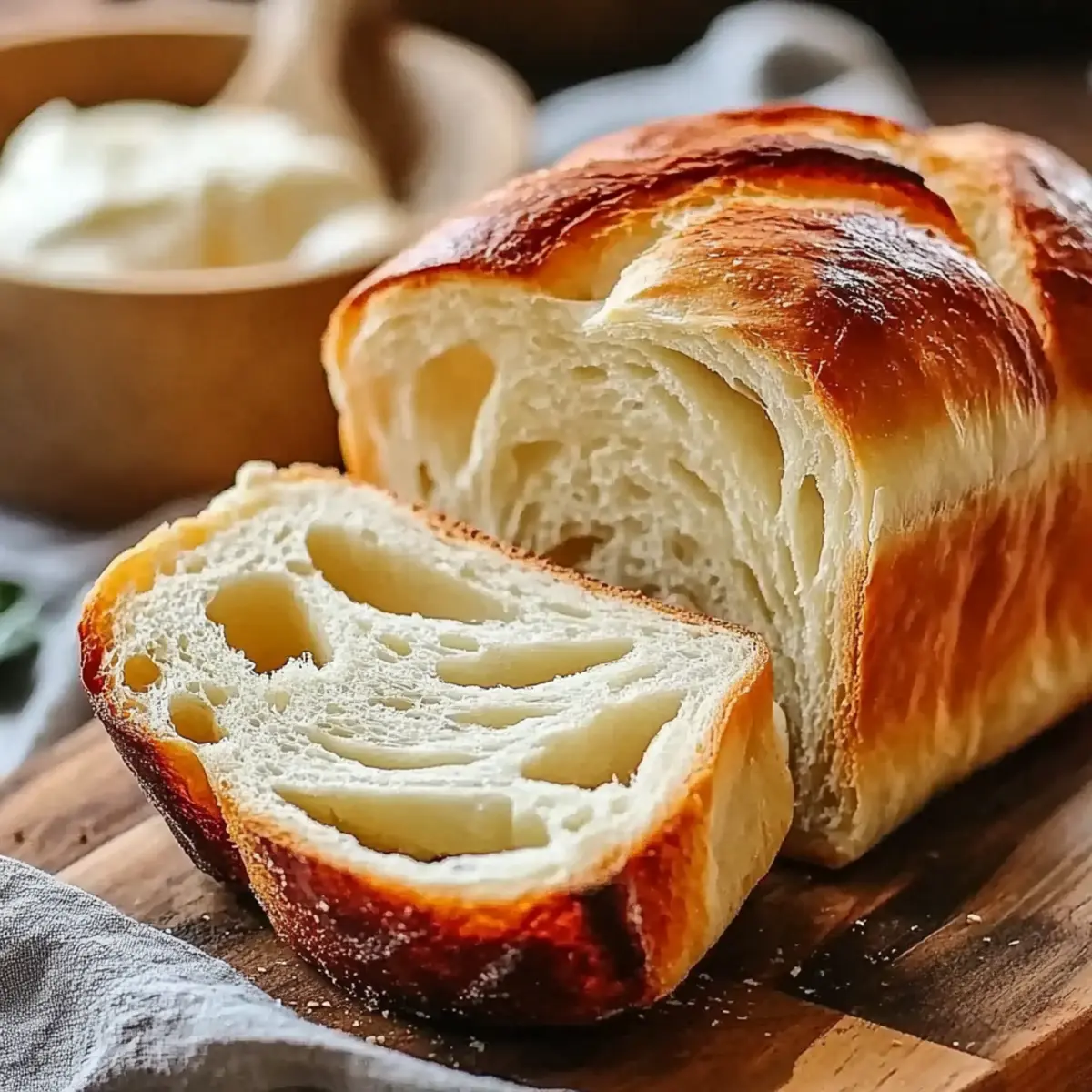
White Bread Recipe FAQs
How do I select the best flour for this white bread?
Absolutely! When choosing all-purpose flour for your white bread, look for brands with a protein content around 10-12%. This range provides the structure necessary for an airy loaf. I often prefer unbleached flour, as it adds a richer flavor and color to the bread.
What’s the best way to store leftover bread?
Very simple! Store your homemade white bread in a breadbox or wrap it tightly in plastic wrap and place it in an airtight container. Properly stored, it will stay fresh for up to 3 days at room temperature. If you opt for refrigeration, it can last up to a week, but keep in mind it may dry out a bit.
Can I freeze slices of white bread? How?
Absolutely! To freeze your white bread, slice it first for convenience. Wrap each slice in plastic wrap and place them in a freezer bag or an airtight container. This way, it stays fresh and can be stored for up to 3 months. When you’re ready to enjoy it, simply toast the slices from frozen or reheat them in the microwave for a few seconds until warmed through.
What should I do if my bread doesn’t rise properly?
Very common! If your white bread doesn’t rise well, it may be due to expired yeast or incorrect water temperature. Ensure your warm water is around 110°F (43°C) to activate the yeast without killing it. If the dough doesn’t rise, let it sit in a warmer spot; sometimes, it just needs a bit more warmth!
Is there an alternative for the butter?
Absolutely! If you’re looking to replace the unsalted butter, you can use margarine or even olive oil. For a dairy-free option, coconut oil works beautifully, imparting a slightly sweet flavor. Just remember to melt it if using solid fats for the best results!

Heavenly White Bread Recipe for Your Cozy Kitchen
Equipment
- mixing bowl
- whisk
- Wooden Spoon
- Loaf pan
- Floured Surface
- Oven
- wire rack
Ingredients
For the Dough
- 4 cups all-purpose flour A versatile base that gives your bread a light texture.
- 2 tablespoons sugar Adds a hint of sweetness and helps activate the yeast.
- 1 tablespoon salt Enhances flavor and controls yeast activity for perfect rising.
- 2 ¼ teaspoons active dry yeast This magical ingredient helps your bread rise and become fluffy.
- 1 ½ cups warm water Activates the yeast for that perfect bread rise; ensure it's not too hot or cold!
- 2 tablespoons unsalted butter Adds richness and a soft crumb to your delightful white bread.
Instructions
Step-by-Step Instructions for White Bread
- In a large mixing bowl, combine 4 cups of all-purpose flour, 2 tablespoons of sugar, 1 tablespoon of salt, and 2 ¼ teaspoons of active dry yeast. Stir these dry ingredients together with a whisk until evenly blended.
- Gradually add 1 ½ cups of warm water to the dry mixture while stirring until a shaggy dough forms.
- Melt 2 tablespoons of unsalted butter and pour it over the shaggy dough. Transfer to a floured surface and knead for about 10 minutes until smooth and elastic.
- Place the kneaded dough in a greased bowl, cover with a damp cloth and let rise for about 1 hour or until it doubles in size.
- Gently punch it down and shape it into a loaf by pressing it into a rectangle and rolling tightly. Place in a greased loaf pan.
- Cover the loaf pan with a clean cloth and let rise again for about 30-40 minutes until doubled in size.
- Preheat your oven to 375°F (190°C).
- Once the dough has risen, bake for 25-30 minutes until golden brown and sounds hollow when tapped on the bottom.
- Remove from the oven and let cool in the pan for about 10 minutes before transferring to a wire rack to cool completely.




Leave a Reply